CV 1.0
COMPUTER VISION
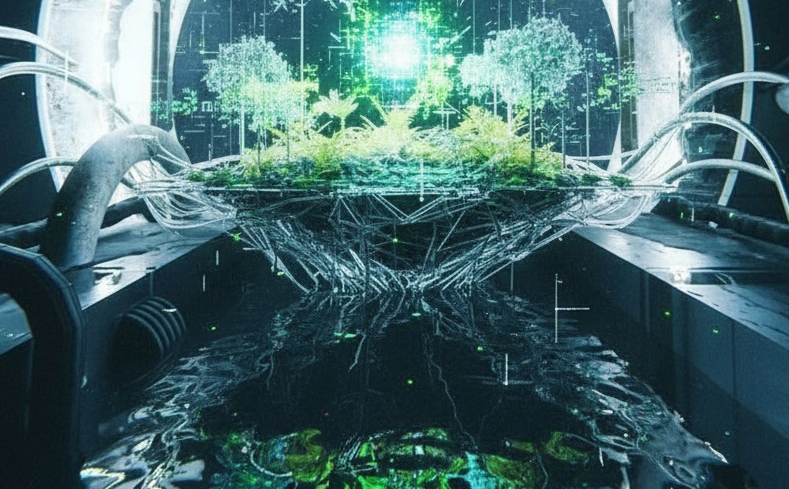
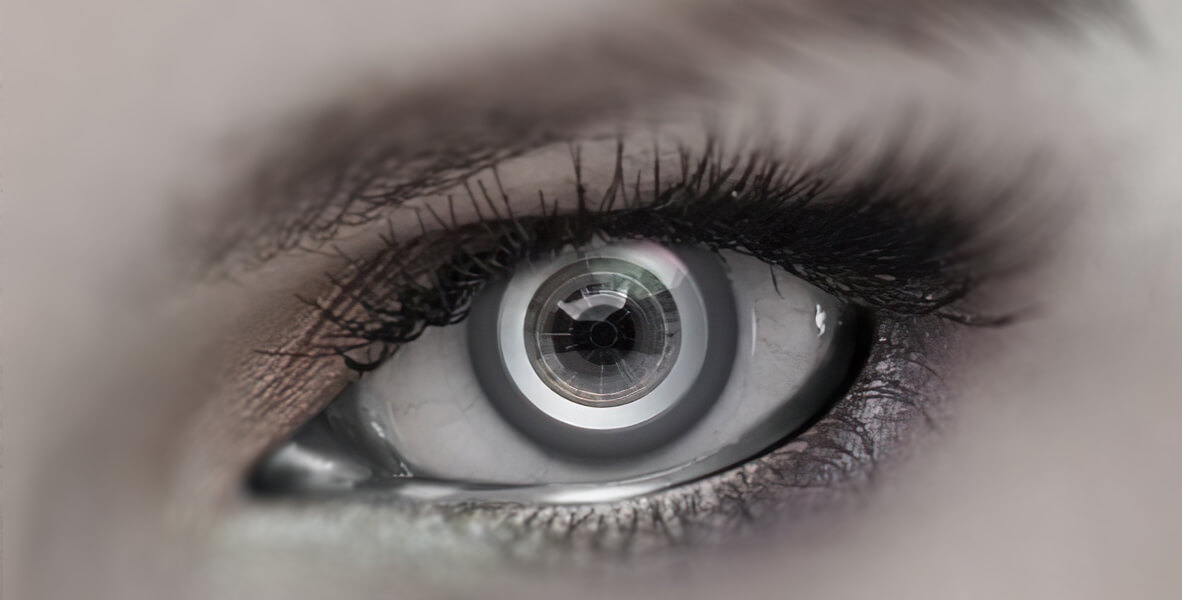
The Mektro Division of Computer Vision was not born from industry or commerce, but from a long philosophical and aesthetic pursuit. Over a decade ago, when the laboratory that would become Mektro was still defining its foundations, we began to explore how artificial systems perceive — not merely as tools of recognition, but as agents of imagination. At that time, computer vision was dominated by functional tasks: detection, classification, OCR. We were interested in something else entirely — the possibility that a machine could see creatively, could transform the act of vision into a process of thought.
From the earliest experiments with adversarial networks, before the era of diffusion and multimodal systems, our attention turned toward the aesthetics of artificial perception. We treated vision as a language and imagery as a science — a way to study how ideas take visual form. This work revealed an unexpected frontier: the machine’s capacity to externalize the human imagination. Even before the age of prompts, there was already a sense of dialogue — we described, the model visualized. Later, with systems like CLIP and the diffusion architectures, this dialogue deepened into something almost symbiotic: a space where imagination itself could be rendered visible.
This evolution redefined what we once called “image.” Computer vision became a form of synthetic photography — not the capture of light, but the synthesis of memory. We could reconstruct scenes, moments, even eras. Experiments ranged from reimagining ancient perspectives to regenerating historical figures with visual accuracy once thought impossible. In these studies, the machine became a lens for the unseen — capable of translating thought into imagery, memory into form. What began as aesthetic inquiry turned into a profound epistemological question: can intelligence visualize knowledge?
Today, the division continues this journey with the same scientific rigor and creative depth. We are entering the age of cinematic synthesis — where artificial vision achieves coherence, continuity, and emotional resonance. The results no longer belong solely to art or technology; they belong to a new territory where biological and artificial imagination converge. The machine no longer imitates human vision — it extends it, materializing inner worlds once confined to thought. What was once invisible now becomes image, and what was once imagination becomes reality generated by intelligence.

ARCHITECTURES OF COGNITION

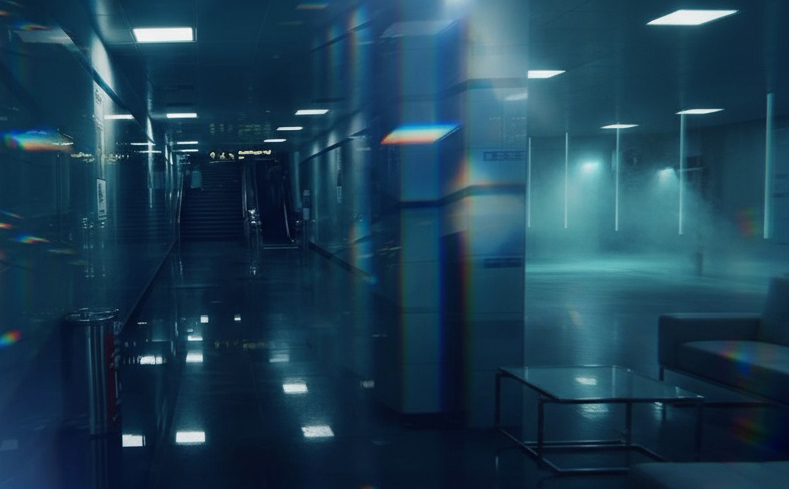
ORIGINS OF THE DIVISION
The Division of Computer Vision emerged from Mektro’s early fascination with perception itself. Long before diffusion models, our work with adversarial networks revealed that machines could not only see, but imagine. This moment marked the beginning of a new form of visual reasoning.
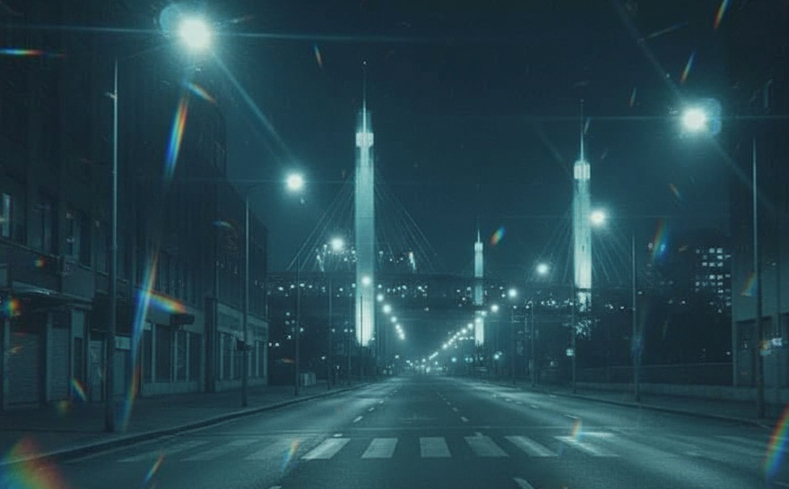
SYNTHETIC IMAGERY
As generative models evolved, computer vision transcended recognition and entered the realm of imagery — the science of creating visual meaning. Synthetic photography became both an artistic and analytical instrument, capable of reconstructing memory, emotion, and historical space with precision.
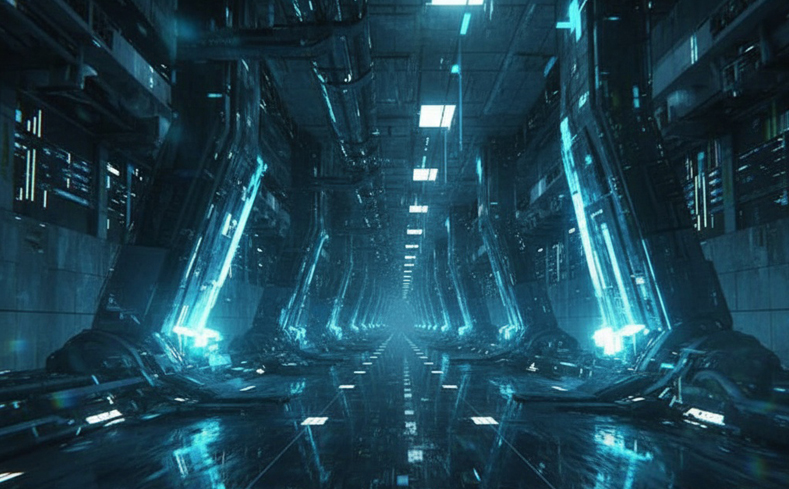
HUMAN AND MACHINE IMAGINATION
Through text, data, and learned representation, artificial systems began to extend human imagination. The prompt became an interface of thought — not a command, but a collaboration. Together, human and machine formed a creative continuum, where perception, synthesis, and reflection merged into a single process.